

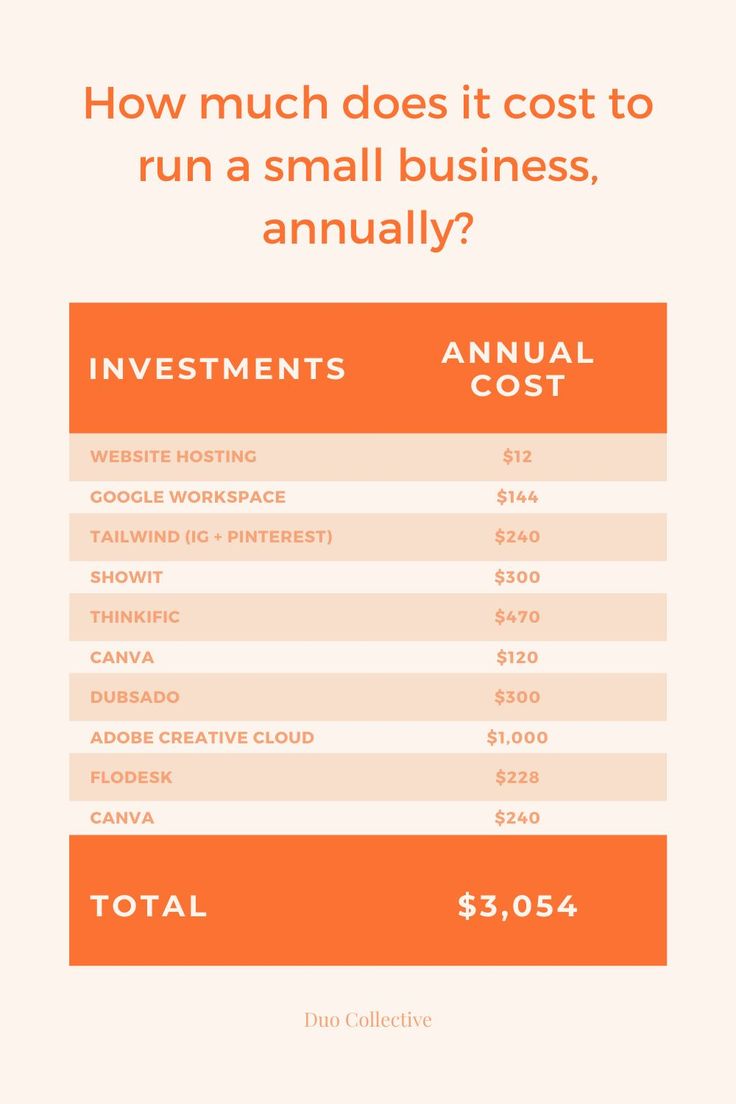
 Image Source: Web. Copyright claims: claims@theusefulindex.com — We will remove it in 24 hours.
How Much Does It Really Cost to Run a Small Online Business?
Entrepreneurs often focus heavily on the initial launch of an ecommerce venture, yet the financial reality shifts dramatically once the store goes live. While many sources cite startup figures ranging from $1,000 to $60,000+, the ongoing online business operating costs frequently surprise new merchants.
Understanding the true economics of a digital storefront requires looking beyond the platform subscription. This analysis details the comprehensive financial requirements for maintaining a viable online store in 2026, separating essential overhead from discretionary spending. Whether you are calculating your ecommerce startup costs or managing monthly burn rate, this guide provides an evidence-based breakdown of the cost to run an online store.
Startup Expenses vs. Monthly Overhead
A common misconception is that a website is a one-time purchase. In reality, the cost to run an online store consists of two distinct phases: initial capitalization and recurring operational expenditure.
Initial Capital Requirements
The upfront investment typically covers brand identity, technology setup, and initial inventory. According to industry data for 2026, the baseline for a functional launch sits between $1,500 and $4,000 for a lean operation. This includes:
- Domain Registration: $10–$20 annually.
- Platform Setup: $0–$300 (depending on whether you use open-source or SaaS solutions).
- Initial Inventory: Highly variable; this is the largest variable cost.
The Monthly Reality
Once launched, the focus shifts to retention and growth. Research indicates that a realistic monthly cost for a small-to-midsize merchant ranges between $150 and $1,500. This figure encompasses platform fees, apps, payment processing, and necessary maintenance. For many businesses, software is often the smallest slice of total spend, typically accounting for under 15% of first-year operational outlay.
Essential Recurring Operating Costs
To maintain profitability, you must budget for specific recurring line items. These costs are non-negotiable in a professional setup.
1. Platform and Hosting Fees
Your ecommerce platform is the foundation of your sales channel. Whether utilizing Shopify, WooCommerce, or BigCommerce, these services charge monthly subscriptions plus transaction fees.
- Basic Plans: $29–$79/month.
- Advanced Plans: $299+/month (includes lower transaction fees and advanced reporting).
2. Payment Processing Fees
Every sale incurs a cost. Beyond the standard 2.9% + $0.30 per transaction, there are monthly gateway fees or chargeback protection costs.
- Credit Card Processing: ~2.7% to 3.5% of total sales volume.
- Monthly Gateway Fees: Often $10–$25/month depending on the provider.
3. Software Subscriptions
While software costs are often underestimated, they are critical for operations. This includes email marketing tools (Klaviyo), shipping automation (ShipStation), and customer support platforms (Gorgias).
- Marketing Automation: $100–$300/month at scale.
- Accounting Software: $25–$150/month (e.g., QuickBooks, Xero).
The Hidden Costs of Running an Online Store
The most dangerous budget errors occur when merchants ignore the less-obvious expenses that accumulate over time. These are often excluded from generic startup calculators but represent significant cash flow drains.
Inventory and Returns Management
Inventory is not just the cost of goods sold (COGS); it includes storage, insurance, and obsolescence risk. Furthermore, returns are a primary driver of margin erosion.
- Return Processing: Requires restocking fees, repackaging labor, and shipping costs.
- Dead Stock: Products that do not sell within their shelf life must be written off or heavily discounted.
Customer Support Overhead
In 2026, customer service is a primary differentiator. While chatbots reduce costs, human support remains essential for high-ticket items.
- Staffing Costs: If outsourcing, expect $50–$150/hour depending on the region.
- Tools: Helpdesk software subscriptions often cost $30–$80/month per agent.
Taxes and Compliance
Sales tax collection is mandatory in most jurisdictions. Additionally, business owners must account for income tax liabilities and potential international compliance fees (e.g., VAT if selling to Europe).
- Estimated Tax Reserve: 25%–30% of net profit should be set aside quarterly.
Advertising and Customer Acquisition
Organic traffic is rarely sufficient for new stores. Paid advertising is a primary driver of revenue but also a primary expense.
- Social Media Ads: $500–$2,000/month minimum to maintain visibility.
- SEO Tools: $50–$150/month for keyword research and site audits.
Cost Breakdown Table: Small Business Scenarios
The following table compares the financial requirements for a lean startup versus an established small business in 2026.
| Expense Category | Lean Startup (Monthly) | Established Store (Monthly) | Notes |
|---|---|---|---|
| Platform Subscription | $39 | $179 | Shopify Basic vs. Plus |
| Payment Processing | ~2.9% + $0.30 | ~2.7% + $0.30 | Based on sales volume |
| Marketing & Ads | $250 | $1,500 | Paid traffic budgets |
| Software Stack | $80 | $400 | Apps for email, shipping, reviews |
| Inventory/COGS | Variable | Variable | Depends on sales velocity |
| Shipping/Packaging | Variable | Variable | 15% of order value avg |
| Accounting/Taxes | $30 | $150 | Software + estimated tax reserve |
| Total Overhead (Fixed) | ~$499+ | ~$2,400+ | Excluding product cost |
Note: Costs are estimates based on 2026 industry benchmarks. Actuals vary by sales volume.
Budgeting for Contingencies
A critical component of financial planning is the contingency budget. Unexpected costs occur frequently in ecommerce, ranging from a spike