

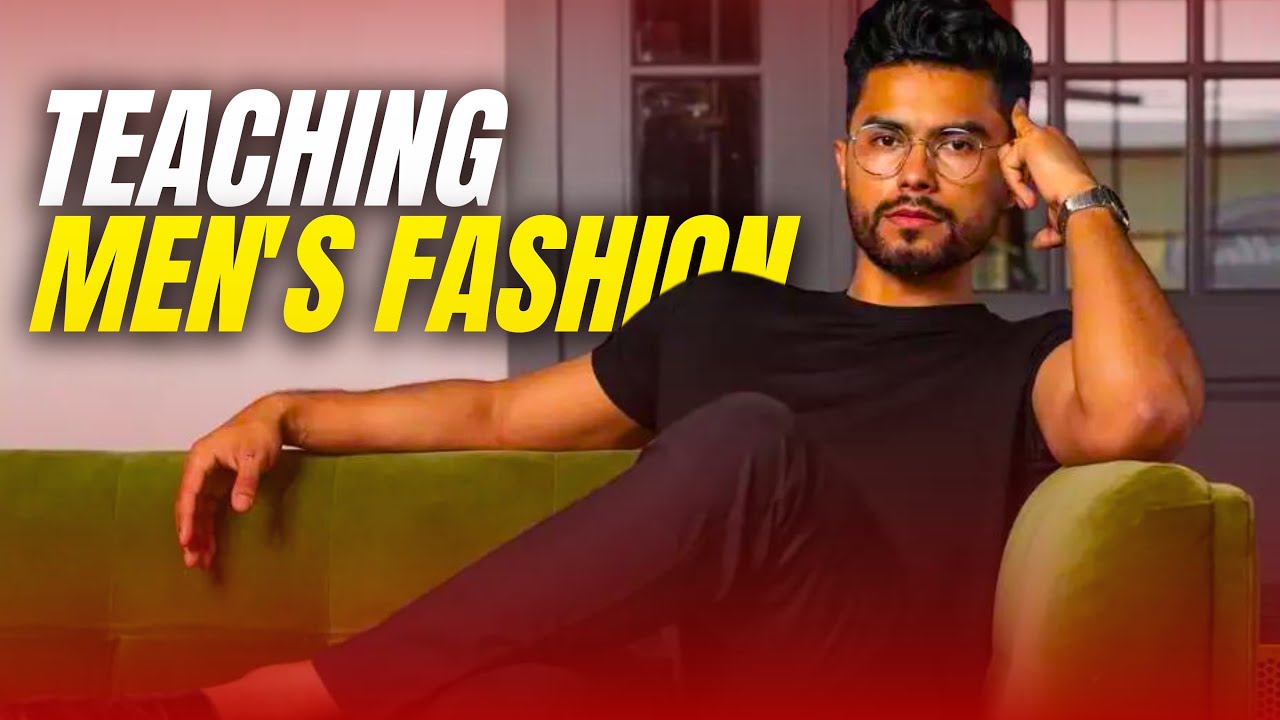
 Image Source: Web. Copyright claims: claims@theusefulindex.com — We will remove it in 24 hours.
How to Build a YouTube Brand Like Teaching Men’s Fashion
The landscape of online media has shifted from simple content consumption to complex brand ownership. For creators aiming to replicate the trajectory of channels like Teaching Men’s Fashion, the path requires more than viral hits; it demands a structured transition from creator to business owner. This guide outlines a strategic roadmap for scaling a men’s fashion channel into a sustainable enterprise, addressing niche selection, production workflows, and diversification strategies essential in 2026.
The Creator-to-Entrepreneur Transition
To understand how to start a lifestyle YouTube channel effectively, one must distinguish between building an audience and building an asset. Many creators focus solely on view counts, but the YouTube brand blueprint for longevity relies on equity ownership.
The core objective is to decouple income from platform dependency. While AdSense provides initial revenue, it rarely scales linearly with effort. A successful model, exemplified by channels dedicated to menswear and grooming, integrates multiple revenue streams early in the lifecycle. This approach ensures that when algorithm changes occur, the business remains resilient.
Step 1: Strategic Niche Selection
Defining the scope of your channel is the first critical decision in how to start a lifestyle YouTube channel. Broad topics like “lifestyle” often fail because they lack a distinct point of view. Successful channels operate at the intersection of specific interests and underserved audiences.
Defining Your Value Proposition
In the men’s fashion space, generic style advice is saturated. To differentiate, you must identify a sub-niche where expertise can be demonstrated.
| Niche Category | Specific Focus | Difficulty Level | Monetization Potential |
|---|---|---|---|
| Style & Fit | Sizing guides, body type analysis | Medium | High (Affiliates) |
| Grooming | Skincare routines, beard care | Low | Medium (Supplements) |
| Confidence | Psychology of style, wardrobe mindset | Medium | High (Courses) |
| Sustainability | Thrift flips, eco-friendly brands | High | Medium (Merch) |
Teaching Men’s Fashion successfully combines these elements by focusing on “style, grooming, fitness and confidence, made simple.” This holistic approach attracts a broader demographic while maintaining a clear brand identity. When selecting your niche, ask: Can I solve a specific problem that requires my unique expertise?
Step 2: Optimizing Content Production Workflows
Consistency is the currency of YouTube growth, but consistency without efficiency leads to burnout. A scalable workflow is essential for scale a men’s fashion channel.
The Batch Production Model
Professional creators do not film and edit every video in real-time. Instead, they utilize batch production:
- Scripting: Outline key points before filming. Use templates for recurring segments (e.g., “Outfit of the Day”).
- Filming: Record multiple videos in a single session. Change backgrounds or lighting setups between takes to maintain visual interest.
- Editing: Prioritize retention metrics over perfection. Early-stage content should focus on delivery and value, not cinematic polish.
Quality Control Standards
As you grow, your standards must rise. Viewers expect high production value. This includes:
- Audio Clarity: Invest in a decent microphone before upgrading cameras. Poor audio drives subscribers away faster than low-resolution video.
- Lighting: Utilize natural light or softbox setups to ensure skin tones look accurate, crucial for fashion content.
- Thumbnail Strategy: Thumbnails must stop the scroll. Use high-contrast text and clear imagery of the product being discussed.
Step 3: Building a Community Beyond the Algorithm
Relying solely on YouTube’s recommendation engine is risky. A robust YouTube brand blueprint includes building a community that exists outside the platform. This protects your business from demonetization or account suspension.
Multi-Platform Presence
Direct your audience toward owned channels:
- Email List: Offer a free style guide in exchange for email addresses. This is your primary asset for selling products.
- Social Media: Use Instagram and TikTok to drive traffic back to long-form YouTube content.
- Private Groups: Create Discord or Slack communities where members discuss fits and get advice.
Engagement Tactics
Community building requires active participation, not just broadcasting:
- Respond to comments within the first hour of posting.
- Host live Q&A sessions regarding wardrobe malfunctions or specific style questions.
- Feature user-generated content (e.g., subscriber outfits) in your videos. This validates that the audience is part of the brand ecosystem.
Step 4: Diversifying Revenue Streams
Monetizing beyond AdSense is the hallmark of a business owner. The goal is to create assets that generate revenue regardless of YouTube traffic fluctuations.
Affiliate Marketing
Fashion channels are prime candidates for affiliate partnerships. You can earn commissions by linking products in your video descriptions.
- Strategy: Only recommend items you have worn or tested. Trust is the foundation of this model.
- Selection: Partner with brands that offer high commission rates and reliable tracking.
Digital Products
Create low-friction offers to capture value early:
- Wardrobe Checklists: PDF guides for building a capsule wardrobe.
- Lookbooks: Curated collections of outfits suitable for specific seasons or occasions.
- Courses: Video-based training on how to style specific body types.
Sponsorships
Once your channel establishes authority, brands will approach you. Negotiate deals that align with your values. Avoid sponsorships from companies that contradict your niche (e.g., fast fashion vs. sustainability).
Step 5: Developing Private Labels
The ultimate step in scale a men’s fashion channel is developing private labels. This transforms your audience into customers of your own products.
Product Development Lifecycle
- Market Research: Identify gaps in the current market (e.g., durable chinos for tall frames, sustainable activewear).
- Sourcing: Work with manufacturers who understand quality control. Start with small batches to test demand.
- Branding: Ensure your packaging and logo reflect the professionalism of your content.
Risk Management
Developing a clothing line involves inventory risk. Consider starting with Print-on-Demand (POD) for accessories before committing to bulk clothing production. This minimizes upfront capital expenditure while allowing you to test designs based on YouTube feedback.
Step 6: Avoiding Creator Burnout
The creator economy is notorious for unsustainable workloads. To build a brand that lasts, you must