

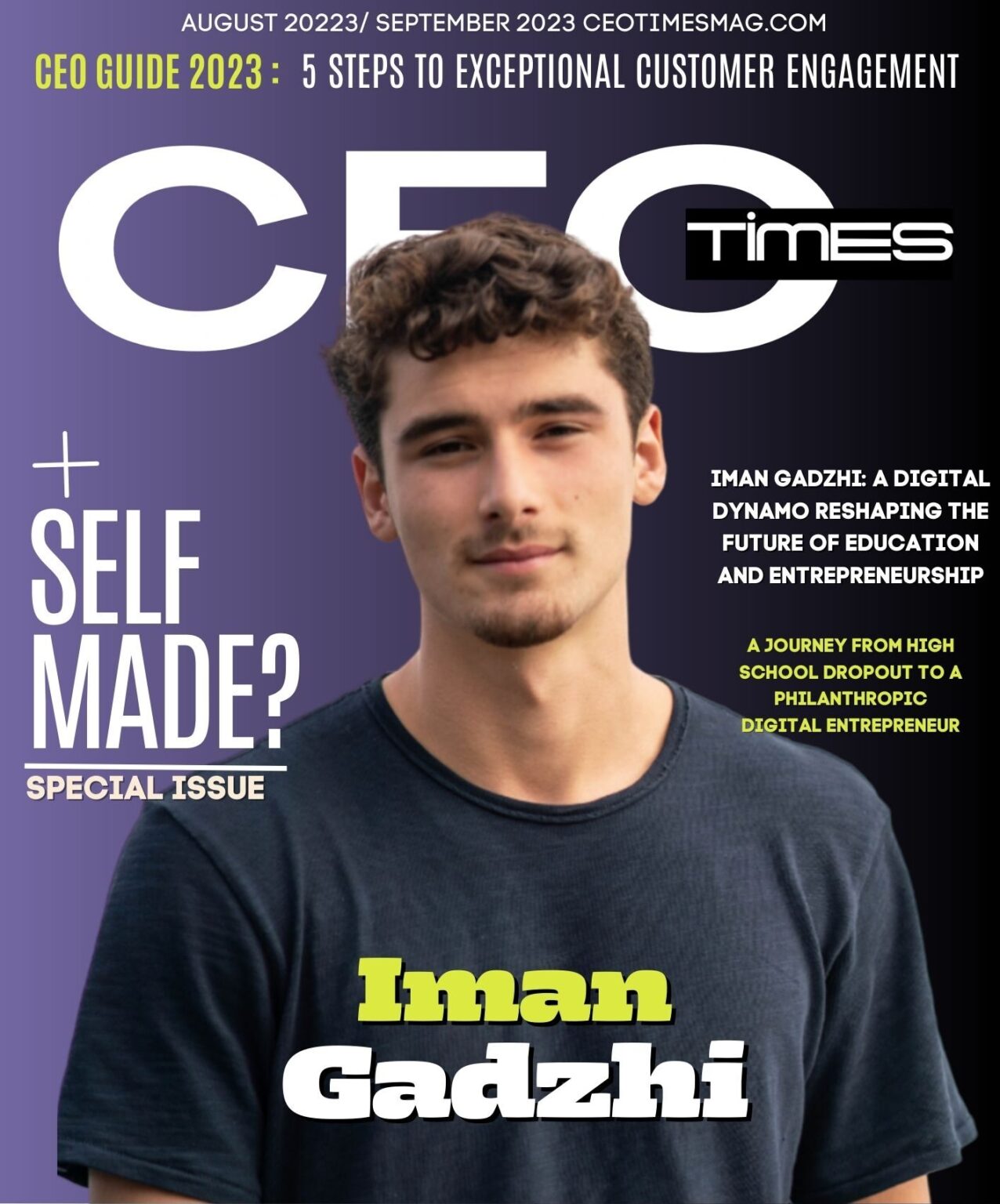
 Image Source: Web. Copyright claims: claims@theusefulindex.com — We will remove it in 24 hours.
The Architecture of a Multi-Tiered Revenue Funnel
Iman Gadzhi has transitioned from a traditional service provider to a dominant figure in the creator economy, establishing a complex Iman Gadzhi business ecosystem that leverages multiple revenue streams. This analysis deconstructs how his organization moved from building a digital agency to becoming a premier course creator, utilizing high-ticket education and recurring SaaS models to scale influence.
The core of this enterprise is not merely selling information; it is the systematic packaging of transformation. By understanding the digital agency to course creator evolution, entrepreneurs can observe how service revenue funds product development, while platform equity secures long-term valuation. The following sections detail the operational mechanics behind Educate.io, Whop ownership, and the monetization architecture that defines modern info-product scaling.
From Service Provider to Education Platform
The foundational pivot in the Iman Gadzhi business ecosystem occurred when IAG Media, a successful social media marketing agency (SMMA), shifted focus toward training other entrepreneurs. This transition represents a classic case of “digital agency to course creator,” where service delivery is used to validate methodologies before selling them as intellectual property.
The Agency Navigator Pivot
Initially, the business operated on a linear service model: acquiring clients for social media management and scaling revenue through client retention. However, the margins of service work are capped by labor hours. To break this ceiling, IAG Media developed proprietary systems for client acquisition and management.
Once these systems were proven profitable in practice, they were codified into the flagship product, Agency Navigator. This shift allowed the organization to decouple revenue from time. Instead of trading hours for dollars, the business began selling the blueprint for building those hours.
Educate.io Business Model
Educate.io serves as the primary infrastructure for this educational arm. Unlike generic LMS (Learning Management Systems), Educate.io is designed specifically for high-ticket cohort-based training. The Educate.io business model relies on three pillars:
- Cohort-Based Learning: Students progress through curriculum in real-time, fostering accountability and community retention.
- Implementation Support: Unlike passive video courses, the model emphasizes active implementation of strategies like building digital products or managing agency clients.
- Platform Agnosticism: While Educate.io hosts the core content, the ecosystem integrates with broader creator platforms to distribute ancillary products.
High-Ticket Course Economics and Value Stacking
The financial engine of the organization is built on high-ticket course economics. By positioning education as a business-building tool rather than mere self-improvement, the pricing structure aligns with the potential ROI for the student.
The Monetise Digital Product
A significant component of the revenue stack is the Monetise platform, developed in partnership with Whop. This represents a shift from selling courses to selling a comprehensive operating system.
| Feature | Standard Course Model | Iman Gadzhi Value Stack (Monetise) |
|---|---|---|
| Content Delivery | Video modules + PDFs | Interactive dashboard + Live cohorts |
| Pricing Structure | One-time fee ($500 - $2,000) | Tiered access ($10k+ lifetime value) |
| Support Model | Email / Forum | Dedicated mentors + Community managers |
| Outcome Focus | Knowledge acquisition | Revenue generation & Product launch |
The Monetise product is valued at over $10M in digital assets, hosted on Whop. This integration demonstrates a strategic move toward creator SaaS models, where the educator provides the software and community necessary for students to generate their own income.
Conversion Metrics and Retention
Organic audience nurture is critical for high-ticket sales. The funnel typically begins with free content (YouTube, social media) that establishes authority. This traffic is directed into email sequences or free webinars designed to qualify leads.
Conversion rates for high-ticket offers in this sector typically range between 1% and 3%, but the lifetime value (LTV) of a student often exceeds $10,000 due to upsells on implementation tools, coaching calls, and advanced curriculum modules. Retention is maintained through community engagement; students who complete the initial Agency Navigator course are funneled into higher-level cohorts or product launch programs.
Recurring SaaS Models and Platform Equity
To ensure stability beyond course sales, Iman Gadzhi has invested in infrastructure that generates recurring revenue. The co-ownership of Whop, a creator platform valued at over $1.6B as of 2026, is the primary example of this strategy.
Diversification of Revenue Streams
The organization does not rely solely on course fees. By embedding their products within the Whop ecosystem