

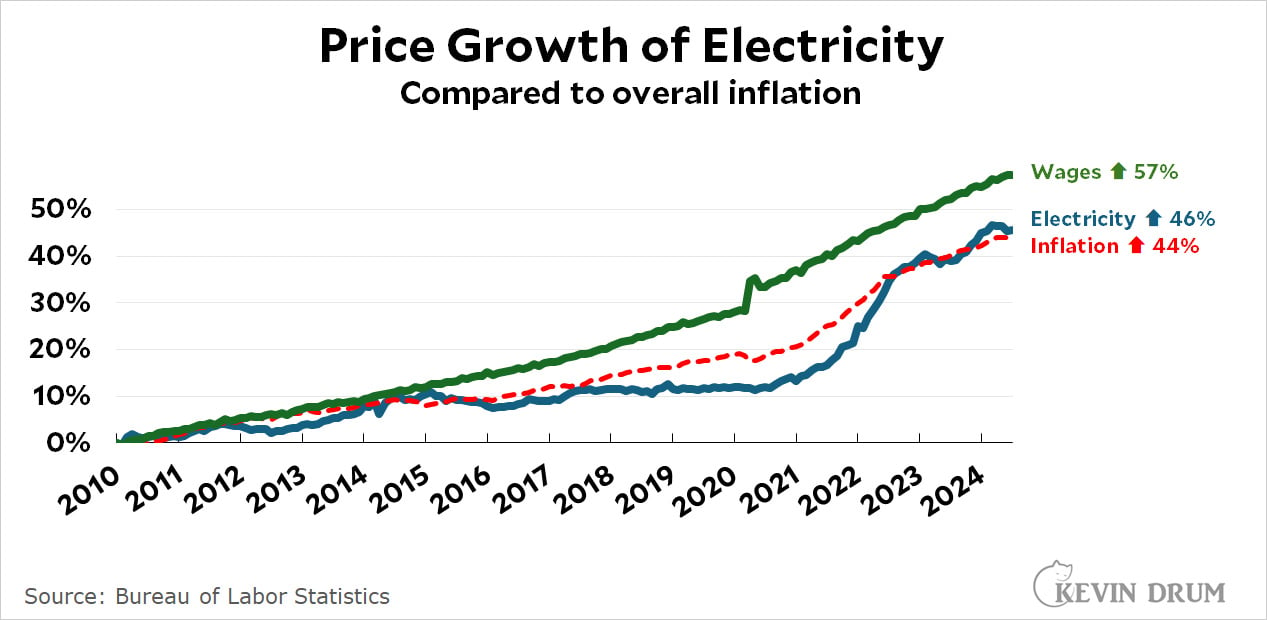
 Image Source: Web. Copyright claims: claims@theusefulindex.com — We will remove it in 24 hours.
It is a common frustration for utility customers and energy analysts alike: the lights are dimmer, consumption is lower, yet the bill remains stubbornly high. The headline often reads “The cost of electricity has not come down,” even as summer peaks recede or industrial output slows. This disconnect between usage volume and unit price is not a glitch; it is a structural reality of modern power markets.
To understand electricity pricing explained, one must look past the simple equation of supply and demand. While marginal cost theory suggests prices should fall when consumption drops, the actual cost structure involves fixed capital investments, volatile fuel markets, and regulatory lag. This article details the complex electricity tariff factors that drive price increases regardless of current usage levels.
The Core Paradox: Fixed Costs vs. Variable Usage
In many traditional utility models, a significant portion of the total cost is fixed rather than variable. When demand falls, the variable cost per unit might decrease, but the average cost can rise if the denominator (usage) shrinks while the numerator (fixed costs) remains static or increases due to other factors.
1. Fuel Costs and Generation Mix
The most immediate driver of price fluctuations is the cost of fuel. In regions dependent on thermal generation, prices are tethered to global commodity markets.
- Natural Gas: Even if demand for electricity drops, gas prices remain volatile based on geopolitical events and supply chain disruptions. If a utility has long-term contracts for natural gas, they must pay these rates regardless of how much power is generated that month.
- Renewable Integration: While wind and solar have low marginal fuel costs, the electricity tariff factors associated with intermittency require backup generation. If demand falls but the grid requires expensive peaker plants to maintain reliability during lulls or unexpected renewable outages, these standby costs are baked into the rate.
2. Fixed Infrastructure Costs
Investments in power plants and grid modernization do not depreciate solely based on electricity sold. They often face “stranded cost” risks where assets become obsolete before they are paid off.
- Grid Modernization: Utilities invest heavily in smart meters, automation, and hardening against extreme weather. These capital expenditures (CapEx) are recovered over years through rate cases.
- Regulatory Approvals: Regulatory bodies often approve rate increases to fund necessary infrastructure upgrades before the benefits of lower operational costs are realized.
3. Transmission and Distribution (T&D)
The cost to move electricity from generation sites to your outlet is a massive component of the bill, often exceeding the cost of generation itself in some jurisdictions.
- Maintenance and Aging: As grids age, maintenance costs rise. If demand falls but the physical grid remains underutilized, the per-unit cost of maintaining that infrastructure increases.
- Losses: Transmission losses occur over distance and time due to resistance. These are fixed costs relative to the volume transmitted.
4. External Economic Factors
Global economics play a silent role in local utility bills.
- Exchange Rates: In countries with imported fuel (like natural gas or coal), currency devaluation increases the cost of imports, which is passed directly to consumers through tariff adjustments.
- Subsidies and Policy: Changes in government subsidies for specific energy sources can alter the baseline cost. If a subsidy on renewables is reduced, the utility must cover that gap through higher general rates.
- Regulation: Regulatory rate cases often take years to process. A utility might file for a rate increase today based on costs incurred last year, meaning price hikes appear even when current operational efficiency improves.
5. Tariff Structures and Time-of-Use Rates
How the bill is calculated matters as much as what is inside it.
- Tiered Pricing: Many tariffs include tiered rates where the first block of usage is cheaper than subsequent blocks. If a customer reduces usage but still hits a higher tier threshold (due to previous month’s carry-over or specific business contracts), the perceived cost increases.
- Demand Charges: Commercial and industrial customers often face demand charges based on peak usage, not total consumption. While this doesn’t directly apply to residential electricity pricing explained, it highlights how billing structures decouple price from volume.
Comparison of Cost Drivers
| Factor | Impact on Price When Demand Falls | Primary Driver |
|---|---|---|
| Fuel Costs | High Volatility | Global Market Prices (Gas, Coal) |
| Fixed Infrastructure | Neutral to Negative | Depreciation & CapEx Recovery |
| Transmission/Distribution | Increases Per-Unit Cost | Fixed Maintenance & Losses |
| Regulatory Lag | Increases Price | Pending Rate Cases |
| Exchange Rates | Increases Import Costs | Currency Fluctuation |
Why Your Bill Might Increase During Low Usage Periods
To summarize the why electricity prices increase phenomenon, consider these scenarios:
- Inflationary Pressure: If the utility’s operating costs (labor, materials) rise due to inflation, they file for a rate adjustment that covers these baseline increases regardless of usage volume.
- Weather Extremes: Even if overall demand falls, specific extreme weather events (like heatwaves or ice storms) force emergency grid maintenance and fuel purchases that are averaged into the next billing cycle.
- Stranded Assets: If a utility is forced to retire inefficient plants but must keep expensive backup infrastructure online for reliability during low-demand periods, those costs are passed to consumers.
Conclusion: Understanding the Rate Card
The disconnect between usage and price is a feature of complex energy markets, not a billing error. By understanding electricity pricing explained, consumers can better anticipate rate changes that are independent of their immediate consumption habits. The shift toward renewable energy and grid modernization ensures long-term reliability but introduces new cost structures that must be recovered through tariffs.
For residential and commercial customers, the takeaway is clear: monitoring your bill requires looking beyond kilowatt-hours (kWh) to understand the fixed costs embedded in every unit of electricity you purchase.
Key Takeaways: Decision Framework for Rate Shoppers
- Check Your Contract: Review whether your tariff includes fixed charges or variable rates tied to market prices.
- Monitor Fuel Markets: High natural gas prices will inevitably drive up utility bills even during low-demand months.
- Understand Fixed vs. Variable: Recognize that a portion of your bill is for maintaining the grid, not just generating power.
- Regulatory Context: Be aware that rate increases are often approved years in advance to cover past infrastructure investments.